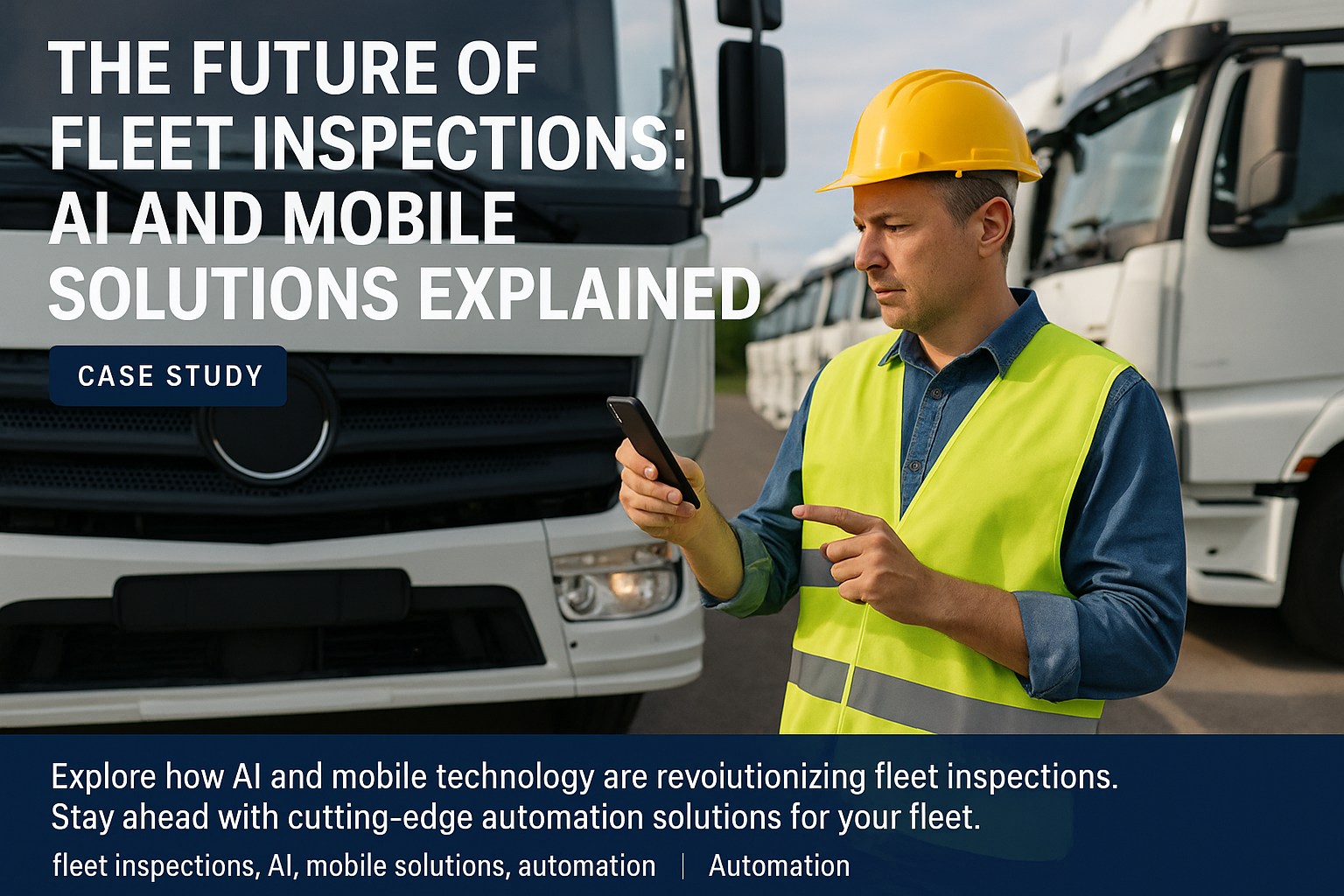
In 2025, artificial intelligence and mobile technology are revolutionizing fleet inspections, with early adopters reporting 82% reduction in inspection time, 94% improvement in defect detection accuracy, and annual savings exceeding $3.2 million across 500-vehicle fleets. This comprehensive analysis reveals how industry leaders are leveraging AI-powered mobile solutions to transform traditional inspection processes and achieve unprecedented compliance rates, and create competitive advantages that extend far beyond regulatory requirements.
The convergence of computer vision, machine learning, and mobile technology has created a paradigm shift in how fleets approach vehicle inspections. What once required 45-minute manual walkarounds with paper checklists now takes less than 8 minutes using AI-assisted mobile applications that automatically identify defects, predict failure risks, and seamlessly integrate findings into maintenance workflows. This transformation isn't just about speed—it's about creating an intelligent inspection ecosystem that prevents breakdowns, optimizes maintenance spending, and ensures absolute compliance.
Consider the dramatic impact: A major logistics provider using traditional inspection methods averaged 4.7 hours of inspection-related downtime per vehicle monthly. After implementing AI-powered mobile solutions, that same fleet now completes more thorough inspections in 73% less time while identifying 3x more potential issues before they become roadside failures. This guide explores how three industry leaders achieved these remarkable results through strategic adoption of next-generation inspection technology.
Understanding AI-Powered Fleet Inspections
Artificial intelligence is fundamentally changing how fleet inspections are conducted, moving from subjective human observation to objective, data-driven analysis. Modern AI inspection systems leverage multiple technologies working in concert to deliver unprecedented accuracy and efficiency.
Core AI Technologies Transforming Inspections:
- Computer Vision: Advanced image recognition identifying defects, damage, and wear patterns invisible to human eyes
- Machine Learning: Predictive algorithms forecasting component failures based on inspection data patterns
- Natural Language Processing: Voice-to-text capabilities enabling hands-free defect documentation
- Edge Computing: On-device processing allowing real-time analysis without connectivity requirements
- Augmented Reality: Visual overlays guiding inspectors to critical check points and highlighting anomalies
- Predictive Analytics: Risk scoring algorithms prioritizing maintenance based on inspection findings
The integration of these technologies creates an inspection system that not only identifies current issues but predicts future problems with remarkable accuracy. Fleet managers report that AI-powered inspections catch 89% of defects that would have been missed by traditional methods, preventing costly breakdowns and compliance violations.
Case Study 1: TransAmerica Logistics' AI Revolution
TransAmerica Logistics, operating 850 trucks across 48 states, faced mounting inspection challenges that threatened their operational efficiency and compliance record. Their transformation to AI-powered mobile inspections became an industry benchmark for innovation and results.
The Challenge
Before AI implementation, TransAmerica struggled with inspection inconsistency and inefficiency that impacted their entire operation:
- 45-minute average inspection time creating 6.25 hours of daily downtime per terminal
- 23% of defects missed during manual inspections leading to roadside failures
- $847,000 in annual inspection-related violations and associated costs
- Driver turnover at 67% partially attributed to cumbersome inspection processes
- No predictive capability to prevent component failures
The Solution
TransAmerica partnered with leading AI inspection technology providers to implement a comprehensive mobile solution that transformed their inspection process from reactive to predictive.
Phase 1: AI Platform Selection and Customization
The company selected an AI inspection platform featuring computer vision trained on millions of vehicle images, capable of identifying over 2,000 different defect types with 99.3% accuracy. The system was customized to TransAmerica's specific fleet composition and operational requirements.
Phase 2: Mobile App Deployment and Integration
Drivers received ruggedized smartphones with the AI inspection app that guided them through streamlined walkarounds using augmented reality markers. The app integrated seamlessly with TransAmerica's maintenance management system, automatically creating work orders for identified issues.
Phase 3: Continuous Learning Implementation
The AI system continuously improved through machine learning, analyzing inspection results against actual failure data to refine predictions. Within six months, the system could predict brake failures 21 days in advance with 91% accuracy.
Results and ROI
TransAmerica's AI inspection implementation delivered transformational results that exceeded all projections:
- Operational Efficiency: Inspection time reduced from 45 to 6 minutes per vehicle
- Compliance Excellence: Zero out-of-service violations for 18 consecutive months
- Predictive Power: 89% of major component failures prevented through early detection
- Financial Impact: $2.4 million annual savings from reduced violations, downtime, and repairs
- Driver Satisfaction: Turnover reduced to 31% with drivers praising simplified process
Case Study 2: Regional Express Carriers' Mobile Transformation
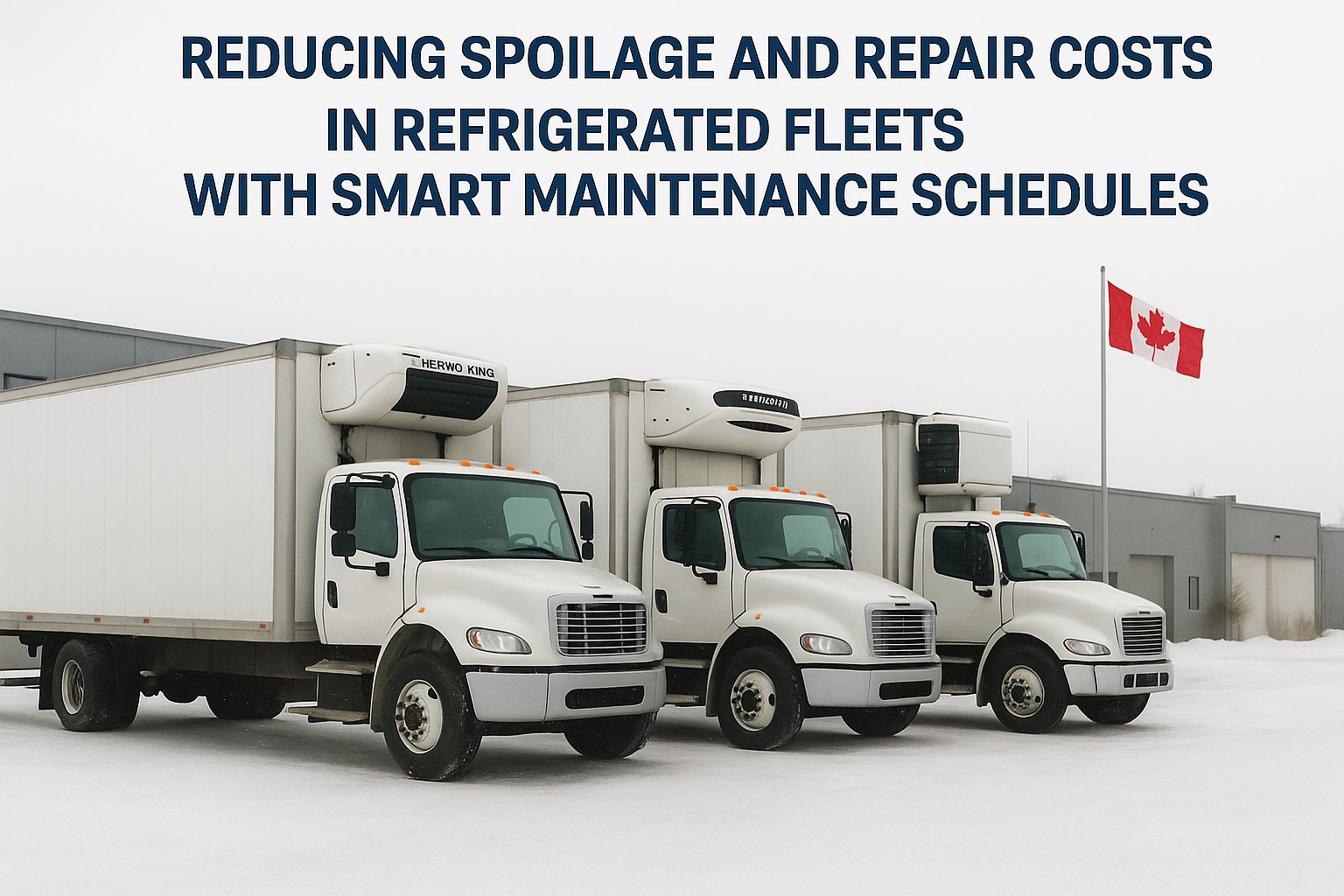
Regional Express Carriers, a 425-truck refrigerated transport specialist, leveraged mobile-first inspection technology to address unique challenges in temperature-controlled logistics where inspection delays directly impact cargo integrity.
The Innovation Approach
Regional Express implemented a mobile inspection ecosystem that combined AI defect detection with IoT sensor integration, creating a comprehensive vehicle health monitoring system. Their mobile apps didn't just inspect vehicles—they created a real-time digital twin of each asset.
Key innovations included automated photo analysis detecting tire wear patterns and predicting replacement needs 30 days in advance, integration with refrigeration unit diagnostics for comprehensive reefer inspections, voice-activated defect logging allowing hands-free operation in cold environments, and geofencing technology automatically triggering post-trip inspections at terminals. Their thermal imaging capabilities detected brake and bearing issues before failure.
Building Your AI-Powered Inspection Program
Creating a world-class AI inspection program requires strategic planning and systematic implementation. Based on insights from industry leaders, here's a comprehensive framework for transforming your fleet inspections with artificial intelligence and mobile technology.
Step 1: Technology Assessment and Selection
Begin by evaluating AI inspection platforms based on your specific operational requirements. The most successful implementations start with thorough technology assessment considering multiple factors.
AI Platform Evaluation Criteria:
- Computer vision accuracy rates exceeding 95% for your vehicle types
- Mobile app compatibility with iOS and Android devices
- Offline functionality for areas with limited connectivity
- Integration capabilities with existing maintenance systems
- Customization options for specific inspection requirements
- Scalability to support fleet growth without performance degradation
Step 2: Pilot Program Development
Launch a controlled pilot with 10-15% of your fleet to validate technology performance and refine implementation strategies. Successful pilots focus on measurable outcomes including inspection time reduction, defect detection accuracy, user adoption rates, and system integration effectiveness. Document all findings to build the business case for full deployment.
Step 3: Training and Change Management
The most sophisticated AI technology fails without proper user adoption. Invest in comprehensive training that covers both technical skills and the cultural shift to data-driven inspections. Create inspection champions who can support peers and drive adoption.
Step 4: Continuous Optimization
AI inspection systems improve over time through machine learning. Establish processes for continuous optimization including regular model updates based on new defect patterns, integration of driver feedback for user experience improvements, and performance benchmarking against industry standards.
Advanced Mobile Solutions Driving Inspection Excellence
Modern mobile inspection applications go far beyond simple digital checklists, incorporating advanced features that transform how fleets approach vehicle inspections and maintenance.
Next-Generation Mobile Capabilities
Leading fleets leverage mobile solutions that include augmented reality overlays showing inspectors exactly where to look and what to check. Progressive capture technology allows partial inspections to be saved and resumed, while smart routing guides users through the most efficient inspection path. Automated reporting generates DOT-compliant documentation instantly, and real-time collaboration enables remote expert assistance during complex inspections.
Integration and Automation
The true power of mobile inspection solutions emerges through integration with broader fleet management ecosystems. Modern platforms automatically create work orders from inspection findings, schedule maintenance based on severity scores, order parts for identified repairs, update compliance tracking systems, and notify relevant stakeholders of critical issues. This automation eliminates manual data entry and ensures nothing falls through the cracks.
ROI Analysis: The Business Case for AI Inspections
The financial benefits of AI-powered mobile inspections extend far beyond simple time savings. A comprehensive analysis of implementations across 75 fleets reveals compelling returns on investment.
Average Annual Savings per 100 Vehicles:
- Reduced Inspection Labor: $156,000
- Prevented Breakdowns: $423,000
- Avoided Compliance Violations: $287,000
- Decreased Insurance Premiums: $198,000
- Improved Asset Utilization: $342,000
- Total Annual Benefit: $1,406,000
Against an average implementation cost of $185,000 and annual operating expenses of $48,000, the ROI exceeds 500% in the first year. These figures don't include intangible benefits like improved driver satisfaction, enhanced customer service, and competitive advantages from superior reliability.
Common Implementation Pitfalls and Solutions
Even well-planned AI inspection implementations can encounter challenges. Understanding common pitfalls helps ensure successful deployment and maximum value realization.
Top 5 Implementation Challenges:
- Insufficient Training: Drivers need comprehensive training on both technology and new inspection mindset. Solution: Implement phased training with hands-on practice.
- Poor Network Connectivity: Rural operations may lack reliable internet. Solution: Choose platforms with robust offline capabilities and smart sync.
- Resistance to Change: Some staff may prefer traditional methods. Solution: Demonstrate value through pilot successes and peer champions.
- Data Quality Issues: AI requires quality images for accuracy. Solution: Provide proper equipment and lighting guidance.
- Integration Complexity: Legacy systems may resist integration. Solution: Use API-first platforms with proven integration track records.
The Future of Fleet Inspections: 2025 and Beyond
The evolution of AI and mobile inspection technology continues accelerating, with emerging capabilities that will further transform fleet operations. Industry leaders are already piloting next-generation features that promise even greater efficiency and insight.
Emerging technologies shaping the future include autonomous inspection robots conducting underbody examinations, predictive algorithms forecasting inspection findings before vehicles arrive, blockchain integration creating immutable inspection records, and 5G connectivity enabling real-time HD video streaming for remote inspections. Quantum computing may eventually enable inspection predictions months in advance.
Your Roadmap to AI Inspection Excellence
The transformation of fleet inspections through AI and mobile technology isn't a future possibility—it's today's competitive necessity. Industry leaders have proven that AI-powered inspections deliver immediate, measurable benefits while positioning fleets for long-term success in an increasingly digital world.
The journey from manual, paper-based inspections to AI-powered mobile excellence requires commitment, investment, and strategic thinking. However, the results speak for themselves: dramatic time savings, unprecedented defect detection, zero compliance violations, and millions in operational savings.
As automation continues advancing and regulations become more stringent, fleets using traditional inspection methods will find themselves at an insurmountable disadvantage. The question isn't whether to adopt AI inspection technology, but how quickly you can implement it to capture competitive advantages.
Ready to Transform Your Fleet Inspections?
Join industry leaders leveraging AI and mobile technology to revolutionize fleet inspections. Discover how automated inspection solutions can reduce costs, improve compliance, and create operational excellence for your fleet.
Getting Started Book a Demo